Is a Home Paternity Test the Right Choice for You? Benefits and Drawbacks
Opting for a home paternity test involves multiple considerations. It delivers accessibility and confidentiality, drawing in those who desire swift conclusions. However, the potential for errors and psychological impacts can make things more difficult. Furthermore, these tests are not legally recognized, which calls their dependability into question. Grasping these considerations is of utmost importance. What would be the wisest approach for people navigating these difficult circumstances?
Understanding How Home Paternity Tests Work
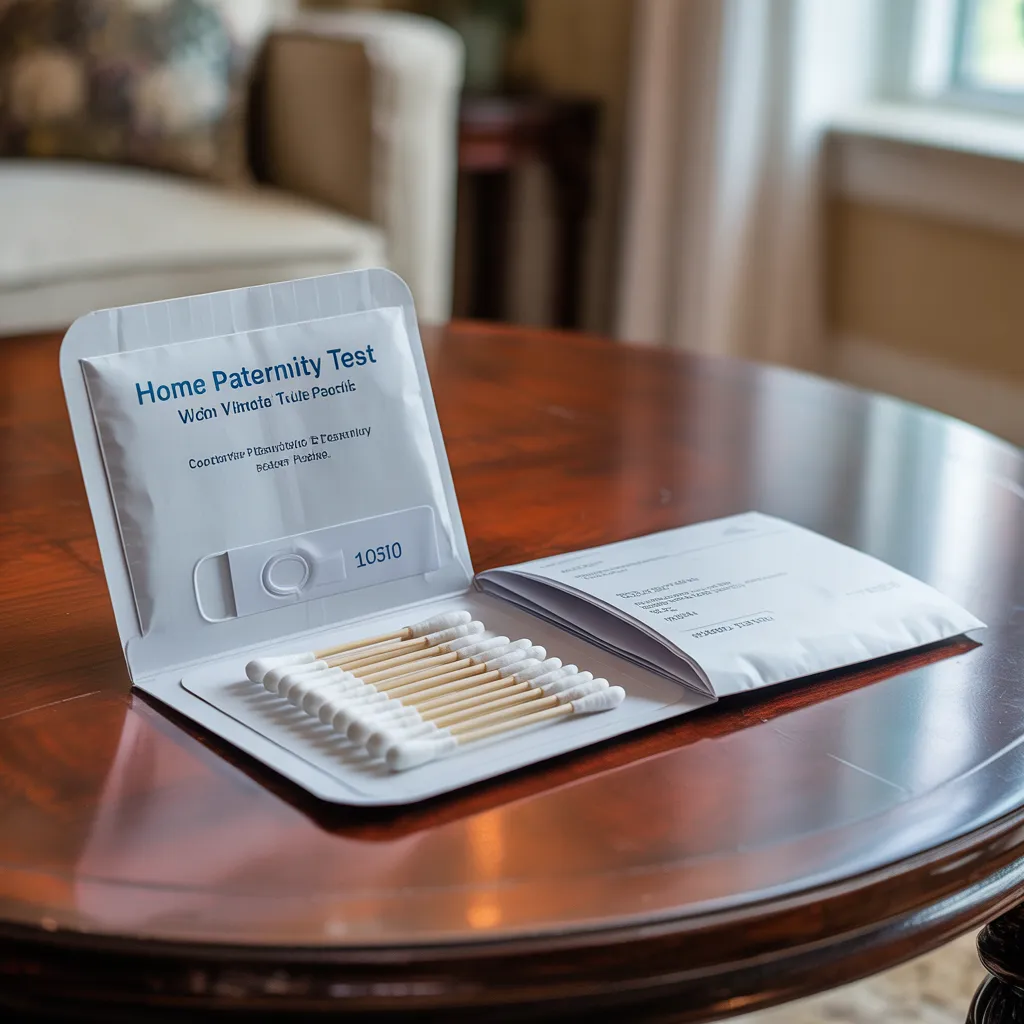
Home paternity tests simplify the method of identifying genetic connections through a straightforward process. Typically, these tests involve obtaining DNA material from the individuals involved, commonly via cheek swabs. Users follow the provided instructions to guarantee proper sample collection and handling. After the samples are collected, they are sent to a certified lab for examination.
At the testing facility, DNA is extracted and compared to determine genetic relationships. The analysis process leverages cutting-edge methods to pinpoint markers that suggest a genetic connection. Results are usually available within a short timeframe, bringing resolution to people searching for confirmation of parenthood.
Whereas home paternity tests deliver ease of use and privacy, it is critical for people to understand that these tests are meant to serve informational needs and may not be recognized in legal proceedings. People seeking formal results for legal purposes may need to obtain accredited testing from certified facilities.
The Benefits of Home Paternity Testing
Why consider at-home paternity testing? Most people are drawn to the ease and discretion that these tests offer. This type of paternity testing facilitates discreet sample collection, usually involving basic cheek swabs, which are able to be conducted in the absence of a clinical specialist. This level of accessibility makes it easier for individuals to obtain results on their own schedule and in the comfort of their own home.
In addition, home tests are frequently less expensive in comparison to laboratory tests, making them a desirable option for people with limited budgets. The processing time for results tends to be faster, often providing answers within a few days.
In addition, these data tests can alleviate emotional distress by offering clear insight regarding paternity, which can be vital for personal and legal circumstances. In summary, home paternity testing provides a practical solution for individuals seeking answers without the hassle of formal testing environments.
The Dangers of At-Home Paternity Testing
Although home paternity testing offers considerable convenience, important risks must be carefully considered. One significant concern is the accuracy of results. Home testing kits do not always meet the strict standards maintained by professional laboratories, leading to false positives or negatives. Furthermore, incorrect sample gathering can undermine the accuracy of the findings, as contamination or inadequate handling might skew findings.
Another risk involves data privacy and security. Many home testing kits require users to submit personal information, that could be at risk of security breaches or misuse. Moreover, people may encounter unforeseen emotional repercussions, as results can lead to family conflicts or distress.
In closing, the legal aspects of home paternity tests should be considered. Data from these tests may not be valid in a court of law, restricting their value in legal matters. All things considered, while home paternity testing provides practicality, the accompanying concerns warrant careful consideration.
Emotional and Legal Considerations of Paternity Testing
Understanding the emotional and practical implications of a paternity test is important for people considering a home testing kit. The psychological aftermath from finding out unforeseen results can be deeply impactful, straining connections among parents, children, and extended family members. People should be ready for potential feelings of stress, anger, or uncertainty that may stem from the test outcomes.
In legal terms, the implications may also be substantial. The results of a home paternity test may not be admissible in court, which could complicate custody or child support proceedings. Therefore, individuals thinking about these tests should seek legal counsel to fully understand their rights and options. Furthermore, establishing paternity can lead to obligations regarding child support and inheritance, introducing an additional dimension of complexity. At the end of the day, informed consideration of both emotional and legal aspects is critical to guiding the potential consequences of paternity testing effectively.
Is a Home Paternity Test the Right Choice for You?
Evaluating whether a home paternity test is the right choice necessitates a thorough assessment of multiple considerations. People considering this choice are advised to reflect on their intentions, as emotional implications can be significant. A home test offers convenience and privacy, but it does not carry the legal validity of professional lab tests, which are frequently necessary in custody or child support proceedings.
In addition, accuracy is an important consideration; while numerous home tests prove trustworthy, inconsistencies may arise. Users should also evaluate the possible effects on family relationships, as test outcomes may trigger unanticipated repercussions. Furthermore, the affordability of home tests ought to be considered against the potential need for follow-up legal testing.
Ultimately, a thorough assessment of one's own circumstances, emotional preparedness, and lasting implications is necessary. Seeking professional guidance may help clarify the situation, helping individuals make an informed decision about whether a at-home paternity test is the right fit for their situation.
Frequently Asked Questions
How Reliable Are Home Paternity Tests When Compared to Laboratory Tests?
At-home paternity tests typically offer precision rates of over 95%, similar to lab tests. Nevertheless, variables including sample quality and testing methods can influence results. To obtain conclusive results, professional lab testing continues to be the gold standard.
Can I Trust the Privacy of Home Paternity Test Results?
Faith in the security of home-based paternity test results fluctuates by company. Trustworthy providers implement rigorous confidentiality safeguards, but individuals should review guidelines and client testimonials to guarantee sensitive details remains safe throughout the experience.
What Is the Cost Range for Home Paternity Tests?
At-home paternity tests usually range from $100 to $500, according to the service provider and the intricacy of the testing process. Additional costs may arise for accelerated results or advanced testing services, influencing the final price.
How Long Does It Take to Get Results From a Home Test?
Findings from a home paternity test typically take three to seven days. Some services can offer expedited options, yielding results in as few as one to two days, based on the laboratory's processing speed.
Are Home Paternity Tests Legal in All States?
Home paternity tests are generally legal in all states; that said, individual regulations and guidelines may vary. It is important for individuals to review local laws and ensure adherence to any required legal procedures before moving forward.