The Future of Paternity Testing: Breakthroughs in At-Home Kits
The future of paternity testing is evolving rapidly, particularly with the rise of home testing kits. These innovations promise greater privacy, convenience, and accessibility. Advanced DNA analysis and mobile app connectivity are becoming a reality. As societal attitudes shift, individuals are increasingly seeking clarity on parentage issues. Such changes bring forth critical questions surrounding reliability and ethical considerations, driving a more thorough analysis of how these innovations will impact family structures going forward.
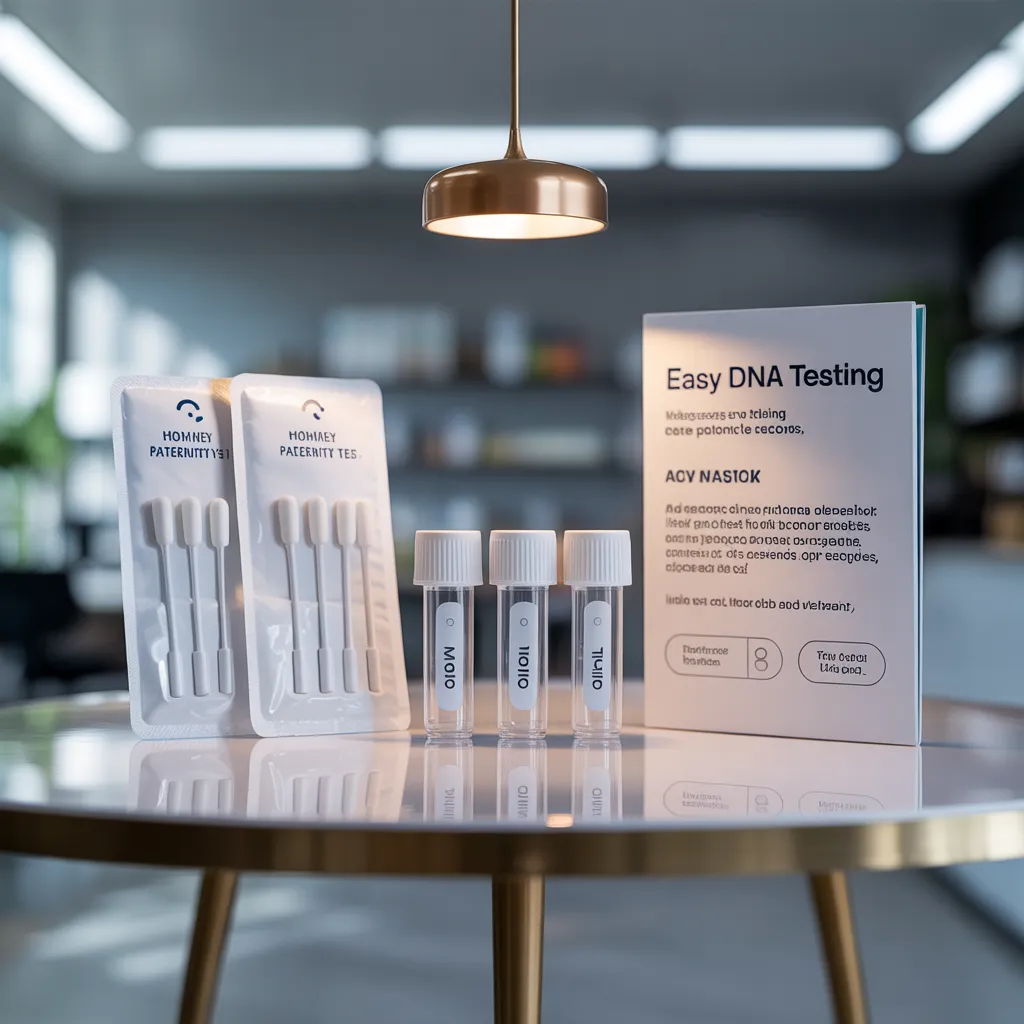
The Rise of At-Home Paternity Testing Kits
The rise of home paternity testing kits has reshaped the domain of genomic testing, offering individuals a convenient and private solution for establishing biological connections. These kits, easily obtainable through retailers and online platforms, allow users to collect DNA samples from themselves and their children without the need for professional assistance. The simplicity of the process has democratized access to paternity testing, allowing individuals to address parentage concerns within the comfort of their own households.
Innovations in packaging and technology have improved the reliability and accuracy of results, regularly offering insights within a short span of days. Additionally, the accessible pricing of these home kits has expanded availability to a larger population, alleviating the negative perceptions surrounding obtaining such testing. As societal norms evolve, the rise of at-home paternity test kits signals a increasing need for personal autonomy and transparency in family and identity matters.
A Step-by-Step Guide to Using Home Paternity Testing Kits
Numerous people discover that using home paternity testing kits uncomplicated and accessible. Initially, participants should ensure they have all necessary components, which generally consist of swabs, a collection envelope, and detailed instructions. They are then required to gather DNA specimens, typically by using oral find the information swabs, ensuring the procedure is efficient and complete to prevent contamination.
After this step, they should carefully follow the accompanying instructions for sealing and labeling the specimens. Precise labeling is critical for upholding the integrity of the samples. When the samples are ready, they must be placed in the supplied envelope and forwarded to the specified laboratory, frequently making use of the pre-paid postage options supplied with the kit.
After sending in the samples, recipients typically wait days to weeks for results, which may be accessible via the company's online portal or through direct contact with the testing provider. Adhering to these steps guarantees a straightforward journey with home-based paternity testing kits, making possible reliable results in a comfortable setting.
How Dependable Are At-Home Paternity Tests?
How trustworthy are home paternity tests? The trustworthiness of these tests largely rests on the kit's quality and the correctness of the sample collection procedure. Leading home paternity test brands advertise accuracy rates above 99%, given that the directions are precisely followed. However, potential variables, such as sample contamination or improper handling, can affect results.
Furthermore, while a number of testing kits leverage advanced DNA analysis technologies, not all are created equal. Buyers should look for tests that are validated by recognized laboratories, guaranteeing rigorous standards in examination and validation.
It should be noted that although home tests provide convenience and privacy, they may not be admissible in legal situations. As a result, those requiring conclusive results for legal matters should pursue professional testing. In general, home paternity tests have the potential to be accurate, but users must approach them with caution and discernment.
Navigating Legal and Ethical Issues in Home Paternity Testing
Residential paternity tests, while convenient and private, introduce important legal and ethical challenges that users must navigate. A key issue is the risk of improper use, including fraudulent claims or disputes related to custody arrangements and child support. The accuracy of results can also impact legal proceedings, as legal authorities may not acknowledge at-home test results without proper validation.
Ethically, users face dilemmas surrounding consent, especially when minors are involved. Proceeding with testing in the absence of full consent from all individuals has the potential to cause fractured relationships and psychological anguish. Moreover, the psychological implications of discovering unexpected parentage can be profound, affecting family dynamics and individual identities.
In addition, the lack of regulatory control in the home testing market prompts concerns about the accuracy of the results offered. People must be vigilant, ensuring they understand the impact of the results and the likely repercussions on their well-being and personal connections.
How Convenient Testing Is Reshaping Family Relationships
Transforming household relationships, easy access to paternity testing has changed the way individuals approach biological connections and family relationships. With residential testing kits easily accessible, people can now seek answers to questions about genetic relationships without the extensive steps historically linked to such investigations. This ease of access fosters transparency in familial relationships, facilitating candid conversations about family lineage.
Therefore, the social stigma connected to paternity questions decreases, allowing families to handle issues that may have remained unaddressed for years. The capacity to establish parentage can lead to more meaningful relationships among family members, as uncertainties are settled. However, this simplicity of the testing process also introduces new difficulties; unforeseen findings can unsettle long-established relationships. As families work through these complexities, the interplay between awareness and emotional repercussions becomes crucial. In the end, accessible testing is reshaping discussions about identity, confidence, and inclusion, creating an dynamic framework in family dynamics.
Common Questions and Answers
Are Home Paternity Test Results Admissible in Court?
Home-based paternity tests are commonly inadmissible in court due to issues regarding accuracy and chain of custody. Legal proceedings typically require assessments carried out by accredited testing facilities to guarantee reliability and adherence to standards.
Are Paternity Tests Possible for Pets?
Pets are able to undergo paternity testing through DNA analysis, which confirms genetic connections. Such tests examine particular markers to establish ancestry, providing breeders and pet owners with essential insights into ancestry and health factors.
What Are the Typical Costs for Home Kits?
At-home paternity test kits generally cost between $100 and $300, depending on the specific brand and testing complexity. Pricing may differ according to additional features, like expedited results or extra sample collection options.
How Long Will It Take to Get Results?
Results from home paternity testing kits typically take anywhere from a few days to two weeks. Delays may occur depending on how quickly the laboratory processes samples and the dependability of the postal service used to send them.
Are There Any Age Requirements for Testing?
Age restrictions for paternity testing typically depend on the provider's policies. In most cases, minors will need parental consent, whereas adults are able to test without any restrictions. It's essential to check specific guidelines for each testing service.