At-Home Paternity Tests for Peace of Mind: Can You Trust Them?
Home paternity tests have grown in demand among individuals looking to confirm familial ties. They promise impressive accuracy levels, frequently surpassing 99%. Nevertheless, the reliability of these tests can be influenced by multiple considerations, such as the methods used for sample collection. As individuals weigh the advantages and drawbacks, grasping the complexities of such tests proves to be critical. What risks may emerge from relying on these outcomes without additional verification?
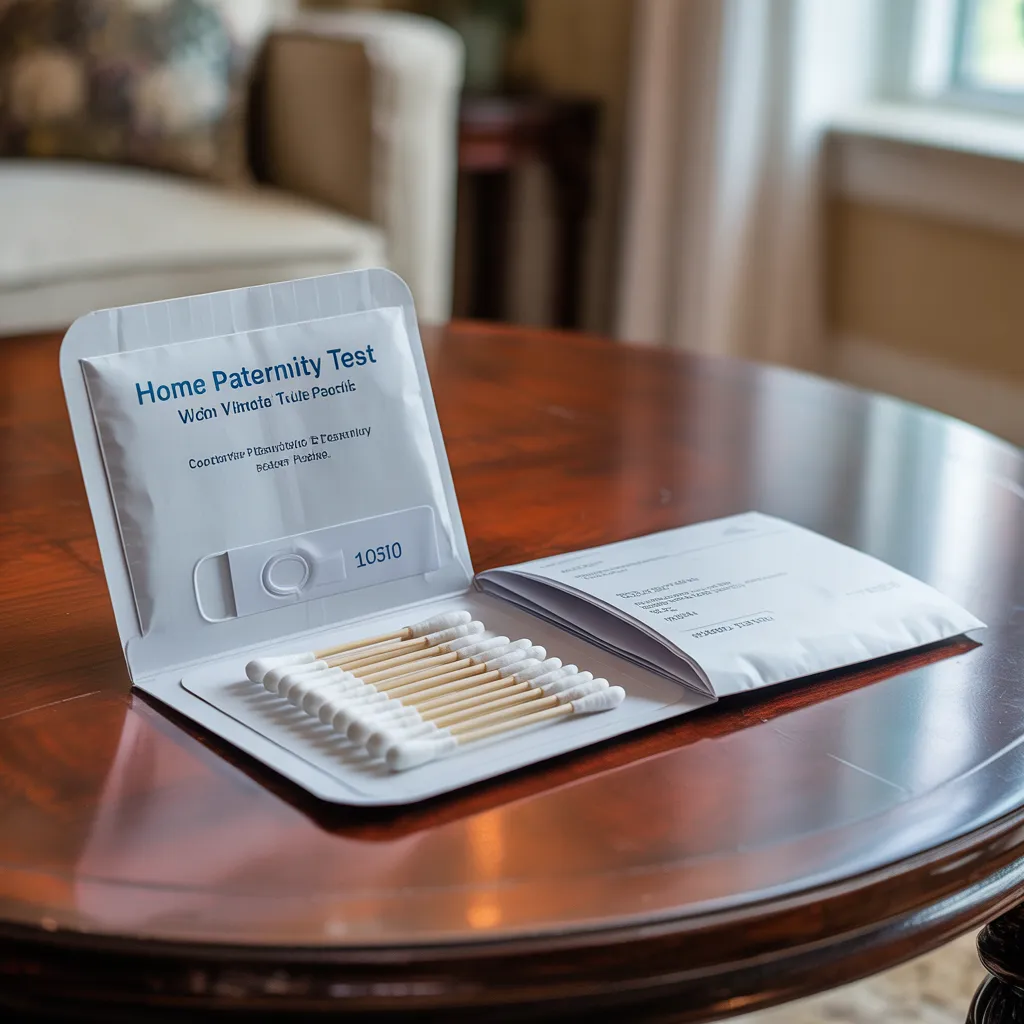
How Do Home Paternity Tests Work?
Home paternity testing kits usually function through a straightforward process that emphasizes precision and user convenience. Initially, individuals order a test kit online, which is then sent confidentially to their doorstep. The package generally contains swabs designed to gather DNA specimens from the alleged father and child, guaranteeing a painless and non-invasive process.
Once samples are collected, they are forwarded to the laboratory for testing. The testing center processes the DNA to determine specific genetic markers shared between the parent and child. Results are generally ready within a few days and are provided in a clear, concise format.
Several home paternity tests offer private online access to test outcomes, guaranteeing privacy and confidentiality. The ease of the procedure has see information on this caused these tests increasingly popular among those desiring clarity regarding paternity without the need for court involvement or medical appointments. In summary, home paternity tests deliver a accessible solution for those pursuing answers about familial relationships.
How Reliable Are Home Paternity Tests?
Home paternity tests offer an accessible method for determining biological connections, but their accuracy can vary considerably. Key factors influencing reliability include testing methodology, accuracy rates in comparison to laboratory tests, and the importance of proper sample collection. Understanding these elements is essential for individuals considering a home paternity test.
Testing Methodology Overview
Understanding the evaluation process behind paternity tests is essential for assessing their accuracy. Residential paternity testing kits typically employ a technique known as DNA profiling, which examines specific markers in the DNA from both the alleged father and the child. Samples are usually collected through cheek swabs, making the process non-invasive and easy to use. The DNA is then replicated using polymerase chain reaction (PCR) to detect genetic markers. By comparing the genetic profiles, the test determines the likelihood of paternity. Most kits include instructions to ensure proper sample collection and handling. It is important to note that while home tests deliver convenience, they may not always comply with the rigorous standards of accredited laboratories, which can impact the reliability of results.
Accuracy Rate Comparisons
Examining the precision of at-home paternity tests reveals that while they provide accessibility, their consistency can fluctuate. Nearly all reputable home paternity tests report an reliability rate surpassing 99%, which closely matches laboratory tests. However, discrepancies can emerge based on multiple factors, including the quality of the test kit, the number of genetic markers analyzed, and the user's adherence to directions. Some tests may only examine a restricted number of DNA markers, possibly influencing outcomes. Furthermore, incorrect sample collection or environmental contamination can cause unreliable outcomes. As a result, while home tests can offer a preliminary indication of paternity, they should not replace thorough laboratory evaluations for definitive proof. Individuals are encouraged to reflect on these factors when assessing findings.
Significance of Sample Collection
Accurate specimen collection is crucial for ensuring the accuracy of paternity test results. In home paternity testing, the dependability of the result heavily relies on how well the samples are obtained and preserved. Commonly, buccal swabs, which collect cells from the inside of the cheek, are used for DNA collection. If the swabs are not taken correctly, impurities or inadequate material may result in inconclusive results. Furthermore, complying with the supplied instructions precisely is critical; any variation can jeopardize the quality of the specimens. Environmental conditions, like humidity or inadequate storage, can also affect the DNA sample integrity. Ultimately, careful sample gathering plays a critical role in producing accurate and dependable paternity testing outcomes.
How to Select a Trustworthy Home Paternity Test
Picking a trustworthy at-home paternity test demands close attention to multiple essential factors. The accuracy and dependability of the test are critical, alongside having a clear grasp of the sample collection methods to guarantee reliable results. Moreover, opting for a test from an organization that follows established certification and accreditation guidelines can further enhance confidence in the findings.
Test Precision and Dependability
When choosing a at-home paternity test, understanding its accuracy and reliability is essential for drawing meaningful conclusions. Consumers should prioritize tests that are certified by established organizations, confirming conformity with high quality standards. The most trustworthy tests commonly assess a minimum of 16 to 21 genetic markers, as this enhances the accuracy of outcomes. Furthermore, it is vital to choose a company that provides a clear explanation of its testing methods and supplies a firm commitment to accuracy. Reviewing feedback and confirming responsive customer service can also aid in evaluating the reliability of a test. In the end, selecting a reputable provider with a proven track record can considerably increase the probability of achieving accurate results.
Sample Gathering Procedures
A dependable home paternity test relies heavily on effective sample collection procedures. Collecting DNA samples correctly is critical to achieving accurate test outcomes. Most home kits utilize buccal swabs, which are easy to use and minimize contamination risk. It is important for all individuals to strictly follow the provided instructions, refraining from eating, drinking, or smoking for at least 30 minutes before swabbing. This helps prevent foreign materials from affecting the sample. Handling the swabs with thoroughly washed hands and refraining from touching the absorbent tip is equally important. Following collection, it is necessary to store samples as directed and submit them to the laboratory in a timely manner. Following these steps improves the dependability of results from home paternity tests.
Certification Standards and Accreditation
Reliable at-home paternity tests typically feature particular certification and accreditation requirements that guarantee their accuracy and validity. Individuals should look for tests approved by respected bodies such as the American Association of Blood Banks (AABB) or equivalent bodies. Such certifications verify that the examination process conforms to strict scientific standards and ethical principles. Moreover, testing facilities ought to be certified by established organizations, which establishes they fulfill sector standards for accuracy and reliability. One must ensure that the test supplier provides detailed evidence of these certifications. This diligence helps assure that the outcomes gathered from a residential paternity test are credible and dependable for making informed decisions regarding paternity.
Legal Implications of Home Paternity Tests
While home paternity tests provide ease and confidentiality, they present important legal ramifications that individuals should carefully consider. These test results might not hold up in court, which can complicate concerns including custody battles or child support hearings. Moreover, when the test discloses unforeseen outcomes, this could result in emotional and legal turmoil, particularly within existing family structures.
Moreover, issues surrounding consent can emerge, particularly if a party did not consent to the testing. This could result in claims of invasion of privacy or legal repercussions. Individuals should also be aware that the confidential nature of these tests can make it difficult to trace results back to a trustworthy source, generating questions about the credibility of outcomes. As a result, individuals considering home paternity tests should seek legal counsel to fully comprehend the implications and confirm that their choices correspond to their long-term goals.
Biggest Misconceptions About Home Paternity Tests
What misunderstandings exist around home paternity tests? Many individuals mistakenly believe that such tests guarantee entirely conclusive outcomes. In reality, while home paternity tests are highly accurate, they are not infallible. One additional prevalent misconception is that the test may be administered at any moment without sufficient preparation; nevertheless, carefully following detailed instructions is vital for producing trustworthy results. Furthermore, certain individuals believe that the outcomes from home tests carry legal weight, yet this is entirely inaccurate; solely tests performed in certified laboratories hold validity in legal contexts. Finally, there is a belief that these tests can determine other familial relationships, such as sibling or grandparentage, but they are solely designed for paternity. Being aware of these misconceptions can enable individuals to reach educated decisions and develop practical expectations concerning home paternity testing.
What Do Professionals Say About Home Paternity Tests?
Experts emphasize the significance of understanding the accuracy and limitations of consumer paternity testing solutions. Many professionals in legal and genetic fields advise that while these tests can supply introductory information, they are no replacement for legally binding results secured through accredited testing centers. The precision of at-home tests varies considerably, largely determined by the caliber of specimen collection and the analytical techniques employed. Specialists point out that inadequate sample size, contamination, or improper handling can produce inaccurate or inconclusive findings.
Furthermore, the legal aspects of paternity testing are complicated. Results from home tests may not be upheld in court, as they lack the stringent procedures mandated for legal paternity cases. Therefore, while home paternity tests may offer reassurance, specialists suggest seeking guidance from doctors or legal professionals for a full understanding and to ensure every decision made is based on trustworthy and credible information.
Should You Trust a Home Paternity Test?
How dependable are home paternity tests for establishing biological connections? The accuracy of these tests is largely determined by the quality of the testing kit and the facility analyzing the results. Many home paternity tests claim high accuracy rates, sometimes up to 99.9%, but this can vary considerably. Users must make sure they select a reputable provider, as not all companies adhere to the same standards.
Additionally, home testing kits may lack legal admissibility in court proceedings, reducing their effectiveness in official legal situations. The process typically involves collecting cheek swab samples, which may seem simple yet can result in sample contamination if not performed properly. Specialists advise seeking guidance from a healthcare provider or genetic counselor prior to depending entirely on a home test. While they can provide peace of mind, the results should be interpreted with caution and not substitute for thorough legal or medical advice.
Questions We Often Receive
Can Sibling Relationships Be Determined by Home Paternity Tests?
Home paternity tests are mainly used to establish paternal relationships. Though they are capable of suggesting biological sibling connections by analyzing common DNA markers, their reliability in verifying these relationships falls short of specialized sibling tests conducted in controlled environments.
How Are Samples Collected for Home Paternity Tests?
Samples for residential paternity tests are generally obtained using cheek swabs, which require gently rubbing a sanitized swab along the inner surface of the cheek. This technique is painless and reduces discomfort for all parties participating.
Are At-Home Paternity Tests Accepted in Court?
Home-based paternity tests are usually not accepted as evidence in court owing to concerns regarding the collection of samples and chain of custody. Courts commonly require tests performed under rigorous laboratory conditions for legal purposes, providing reliability and accuracy.
What Should You Do if the Test Results Are Inconclusive?
Should test results prove inconclusive, further testing or analysis could be necessary. Individuals should consult a professional for guidance, as inconclusive results can complicate legal matters and personal relationships regarding paternity.
Can a Home Paternity Test Be Used for Immigration Purposes?
Home paternity tests are generally not accepted for immigration purposes. Standard immigration requirements call for tests carried out in accredited testing facilities, ensuring chain-of-custody protocols and verified results to meet legal requirements and validate familial relationships.