Why Modifiable Rising Beds Are Vital for Up-to-Date Lifestyle
Adjustable lift beds have become steadily relevant in contemporary life. They deliver significant benefits for sleep quality and overall health. By accommodating various sleeping positions, these beds resolve problems such as chronic pain and sleep apnea. Their multifunctional design meets comfort and mobility needs, making them appropriate for a diverse variety of users. However, the question remains: what essential features should one look for when selecting an adjustable bed?
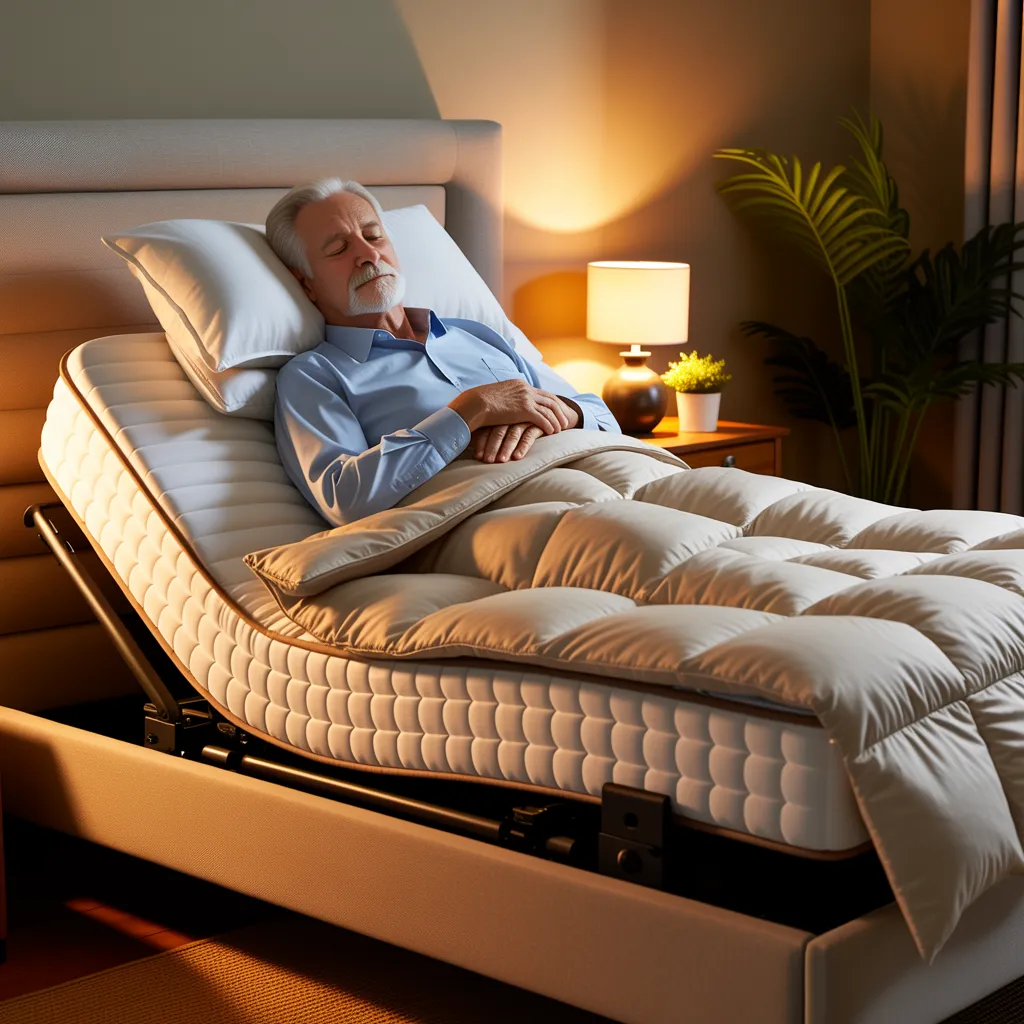
Understanding the Advantages of Flexible Lift Beds on Sleep Quality
Adjustable lift beds revolutionize sleep quality by permitting users discussion to adjust their sleeping position. This feature enhances comfort, as individuals can elevate their heads or feet to reduce pressure points and lessen discomfort. Many users benefit from improved circulation and reduced snoring, as adjusting the bed’s angle can optimize airflow. Moreover, the capacity to find the perfect position can lead to deeper, more revitalizing sleep, vital for overall well-being.
These beds likewise cater to different sleep styles, serving side sleepers, back sleepers, and individuals with particular health concerns. By enabling personalized adjustments, they help reduce common sleep disturbances, such as acid reflux or sleep apnea. Users can also make changes effortlessly at night thanks to the convenience of remote control operation. Adjustable lift beds stand for a significant step forward in sleep technology, offering customized solutions that enhance rest and rejuvenation.
The Purpose of Adjustable Beds in Enhancing Well-being
Although many connect adjustable beds chiefly with better sleep, their role in promoting overall wellness goes well beyond the bedroom. These beds provide variable positions that may ease numerous health problems, including back pain, acid reflux, and poor circulation. By enabling users to lift their legs or upper body, adjustable beds can enhance blood flow and lessen pressure on sensitive areas, leading to a more comfortable experience during the day.
Additionally, adjustable beds can aid in respiratory health by providing an angle that facilitates easier breathing, particularly helpful for individuals with asthma or sleep apnea. This flexibility encourages users to find their best position for relaxation, thereby reducing stress and promoting mental well-being. Ultimately, the integration of adjustable beds into daily life underscores their significant contribution to holistic wellness, creating a supportive environment for both physical and mental health needs.
Flexible Functions: More Than Resting With Adjustable Lift Beds
Many occupants are noticing the versatile applications of adjustable lift beds that transcend basic sleeping arrangements. These state-of-the-art beds serve different purposes, making them worthwhile additions to present-day living spaces. In particular, they can be adapted to build a comfortable seating area for reading or watching television, increasing leisure time.
Moreover, adaptable lift beds are helpful for people facing mobility restrictions or chronic pain, enabling smoother entry and exit. They can also support various activities, such as working on a laptop or having meals in bed.
Some people even find these beds useful for therapeutic exercises, as the adjustable features enable personalized postures that support better circulation and muscle ease. Overall, the flexibility of adjustable lift beds offers endless possibilities, transforming any bedroom into a multifunctional space that meets varied living requirements.
Essential Features to Evaluate When Choosing an Adjustable Lift Bed
When picking an adjustable lift bed, it is important to review several vital features. Adjustable height settings ensure adjustment for individual requirements, while mattress compatibility plays a major role in achieving ideal comfort and support. Moreover, the control mechanism type can greatly influence the user experience and usability.
Adjustable Elevation Options
Adjustable lift beds have reinvented modern living by offering customizable height options that address individual needs. These beds let users to raise or lower their sleeping surface, boosting accessibility and comfort. For those with mobility issues, adjustable height features support easier entry and exit from the bed. Additionally, customizable height settings can enhance sleep quality by enabling the ideal alignment for different sleeping positions. When choosing an adjustable lift bed, it is critical to examine the range of height adjustments available, along with the simplicity of the controls. This ensures that the bed meets the distinct requirements of each user, fostering both independence and well-being in everyday life. Ultimately, adjustable height options are essential for personalized comfort.
Mattress Suitability Considerations
What criteria must be evaluated to confirm mattress compatibility with adjustable lift beds? To begin with, the mattress type is a critical factor; memory foam and latex mattresses tend to function well, while innerspring mattresses may not adapt smoothly to the bed's movements. Also, mattress depth should be noted; usually, a height between 10 and 14 inches is optimal for assuring proper functionality. Weight distribution is another factor; heavier mattresses may interfere with adjustments. Moreover, flexibility of the mattress is vital; those designed with flexibility can better adjust to the bed's positioning. Lastly, consulting the manufacturer's guidelines for compatibility ensures peak performance and lifespan of both mattress and adjustable lift bed. These points help create a comfortable sleeping environment.
Different Types of Control Mechanism
Considering mattress compatibility marks merely the initial phase; the varieties of control mechanisms for adjustable lift beds also strongly affect user experience. Mainly, the two control mechanism types are wired and wireless. Wired control devices offer reliability and accessibility via a direct interface. Nevertheless, the cords may limit movement. Conversely, wireless controls offer freedom and convenience, enabling users to change settings from anywhere within the room. Some models even feature smartphone integration, enhancing accessibility. Moreover, users ought to consider presets and customizable settings that can significantly enhance comfort and usability. In the end, choosing the appropriate control mechanism is crucial to maximize the benefits of an adjustable lift bed, suited to personal preferences and needs.
How to Choose the Right Adjustable Bed for Your Everyday Life
How can one deal with the extensive possibilities available when picking an adjustable bed? The process starts by considering unique needs and preferences. Factors such as sleep position, health conditions, and lifestyle should guide the decision. For those with back issues, models providing lumbar support may be essential, while side sleepers might select beds with customizable upper body elevation.
Additionally, scale and match with the existing bedding must be taken into account. A queen or king-sized adjustable bed can offer ample space for couples, whereas a twin might be better for single users.
Features like zero-gravity modes, kneading features, and wireless controls can improve comfort and practicality, but these should match individual preferences rather than be seen as requirements.
Ultimately, thorough research combined with sampling various models in-store helps individuals locate the adjustable bed that optimally matches their lifestyle, securing a comfortable and restorative sleep experience.
Is Investing in Variable Beds Truly Worth?
The value of adjustable beds is frequently debated, especially concerning their comfort level and wellness advantages. Several users mention enhanced sleep quality and relief from different health conditions, like back pain and acid reflux. Thus, examining if these features validate the purchase is important for potential buyers.
Improved Comfort Benefits
Many users are noticing the remarkable comfort effects of adjustable lift beds, causing a rise in their popularity. These beds let users to tailor their sleeping position, increasing overall comfort. By lifting the head or feet, individuals can find their best alignment, reducing pressure points and improving relaxation. This adaptability fits various preferences, whether for reading, watching television, or sleeping. In addition, adjustable beds often include memory foam or high-quality mattresses that conform to the body’s contours, providing additional support. Users mention less tossing and turning, resulting in more restful nights. As more people choose comfort in their living spaces, adjustable lift beds are becoming essential for designing a personalized sleep environment that caters to diverse needs and preferences.
Key Health Improvement Factors
While flexible beds are frequently celebrated for their comfort, their influence on health is significant and should not be ignored. These beds can effectively alleviate a range of medical conditions, including chronic pain, sleep apnea, and acid reflux. By enabling users to elevate their heads or legs, adjustable beds support better blood circulation and lessen pressure on the spine. This alignment can improve respiratory function and lessen snoring, leading to better sleep quality overall. Additionally, for people recuperating from surgery or living with arthritis, these beds offer vital support and ease of movement. Ultimately, the health benefits linked with adjustable beds render them a smart investment, supporting both comfort and overall health and longevity in daily living.
Price and Benefit of Adjustable Beds
Adjustable beds, despite often carrying a elevated initial price when compared to traditional mattresses, offer long-term benefits that justify the investment. The ability to customize sleep positions results in improved comfort and enhanced sleep quality, potentially minimizing the need for medical interventions or sleep aids. Moreover, adjustable beds can relieve certain health problems, such as acid reflux or sleep apnea, which may decrease healthcare costs over time.
Furthermore, many flexible beds are crafted with long-lasting quality in mind, often lasting well beyond than conventional mattresses. This lasting power can counterbalance the initial cost, making the overall price more favorable. The additional features, such as massage functions and programmable modes, improve the user experience, adding value beyond mere functionality. Ultimately, while the upfront cost is notable, the potential for improved health and quality of life makes adjustable beds a compelling choice for modern living.
Commonly Asked Questions
Will Customizable Beds Be Suitable for Common Bed Frames and Mattresses?
Adjustable sleep systems usually are compatible with standard bed frames, but compatibility may vary by model. Most adjustable bases accommodate standard mattress sizes, guaranteeing seamless integration. It’s suggested to double-check specific measurements before purchase to confirm proper compatibility.
Can Adjustable Beds Improve Noisy Breathing Problems?
Adjustable frames assist in alleviating snoring issues by elevating the upper body, unblocking airways and limiting obstructive sleep apnea. Numerous users experience improved breathing and a quieter sleeping environment with this adjustable positioning.
Do Variable Beds Sound Loud While Operating?
Adjustable sleep surfaces might cause varying noise levels during operation, often depending on the model and mechanism. Typically, better beds are made to operate quietly, cutting down on interruptions for users during adjustments and providing a calm atmosphere.
What is the effect of variable beds on sleep apnea?
Adjustable beds can positively affect sleep apnea by allowing users to lift their upper body. This position may lessen airway obstruction, supporting better breathing during sleep and possibly reducing the frequency of apnea episodes.
What is necessary maintenance of adjustable beds?
Adjustable beds require regular checks for mechanical functionality, ensuring all moving parts are lubricated and free of debris. Mattress cleaning and evaluation for wear needs to be done regularly to maintain peak performance and hygiene.