Fat Transfer Breast Enlargement: A Authentic Method to Enhancement
Fat transfer breast augmentation offers a distinct option to conventional breast implants. By utilizing the individual's natural fat, this method seeks to boost breast size while sculpting other areas of the body. The procedure is gaining attention due to its natural results and lower risk of adverse effects. However, concerns about suitability and potential risks remain. Comprehending these aspects can offer insight on whether this approach is suitable for individual enhancement goals.

Fat Transfer Breast Augmentation: Everything You Need to Understand
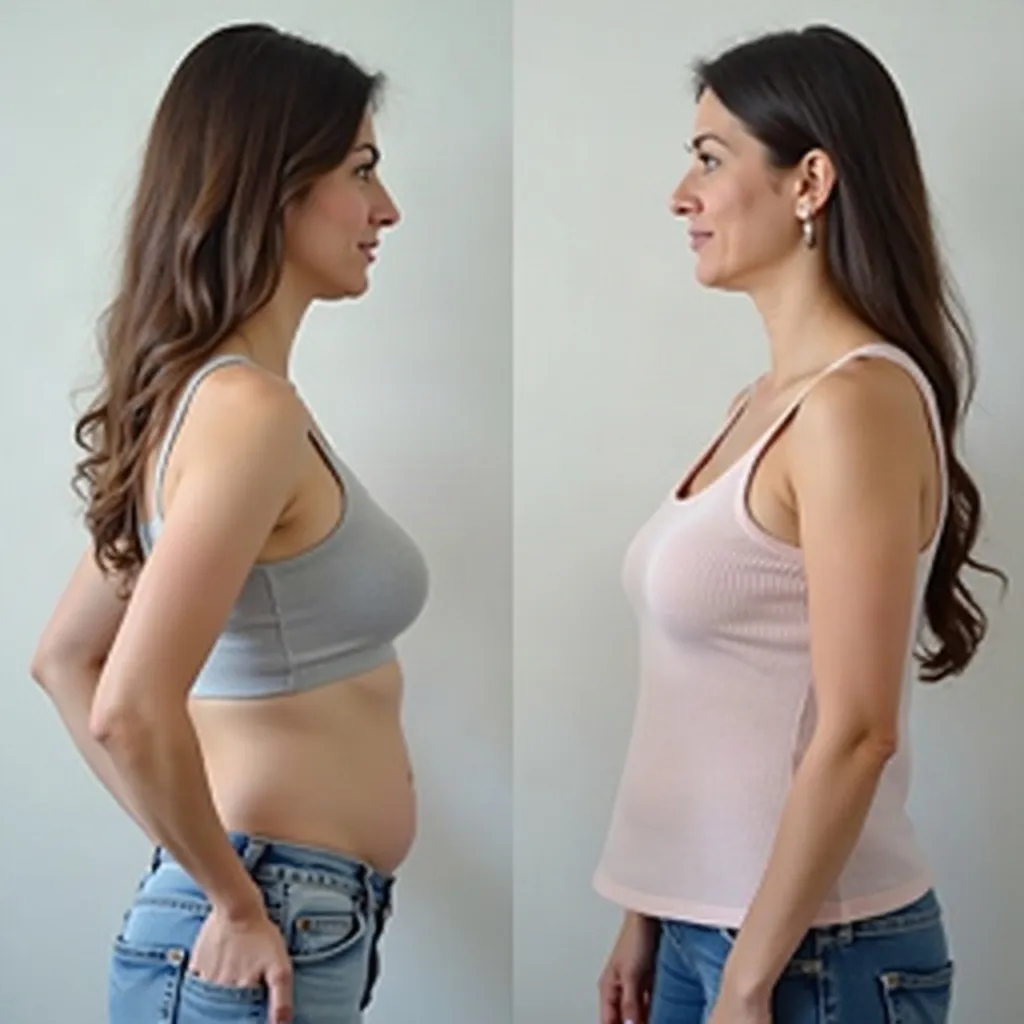
Fat transfer breast enlargement, also known as autologous fat grafting, is a cosmetic procedure that boosts breast volume using the individual's personal body fat. This method involves two main steps: fat removal and fat injection. First, fat is harvested from areas of the body where excess fat is available, such as the abdomen or thighs. The harvested fat is then refined to remove impurities before being inserted into the breast fat transfer breast augmentation South Africa tissue.
Utilizing the patient's own biological material is one of the main pluses of this method, which can result in a more natural feel and appearance. In addition, patients take advantage of body contouring at the fat removal sites. Though the procedure can enhance breast size, it also offers soft shaping and contouring, making it a popular choice among clients seeking a highly integrated approach to breast enhancement. Overall, it stands as an forward-thinking option in cosmetic surgery.
Pros of Selecting Fat Transfer Instead of Implants
Selecting fat transfer breast enhancement offers several advantages over traditional implants, rendering it an appealing option for many individuals. One significant advantage is the use of the patient's own body fat, which reduces the risk of allergic responses or rejection linked to synthetic substances. This method results in a more realistic appearance and sensation, as the fat integrates smoothly with present tissue.
Moreover, fat transfer can provide body contouring results, allowing for enhancements in multiple areas where excess fat is extracted. The recovery process tends to be less invasive, with minimal scarring compared to implants.
Additionally, clients often undergo a more slow and organic enhancement, as the results can be modified through multiple sessions. Overall, autologous fat grafting for breast enhancement offers a holistic approach to body enhancement, aligning with the desires of those looking for a more organic and personalized outcome.
Comprehending the Hazards Associated with Fat Transfer Breast Augmentation
While fat transfer breast augmentation offers numerous benefits, it is crucial to acknowledge the potential dangers associated with the procedure. One primary concern is the potential of fat necrosis, where transferred fat cells die and form lumps, leading to complications in detection during mammograms. Additionally, there is a risk of inconsistent results, as the body may absorb varying amounts of the transferred fat, resulting in imbalance. Contamination is another potential risk, especially at the liposuction site, which can complicate recovery and lead to further interventions. Furthermore, some patients may experience scarring from the liposuction procedure. Finally, allergic reactions or complications from anesthesia, while rare, can occur. Understanding these risks is vital for individuals considering fat transfer breast augmentation, as it allows informed choices regarding their aesthetic goals and health.
What People Represent Suitable Options for Autologous Fat Transplantation?
Pinpointing the ideal individual for fat transfer breast augmentation comprises evaluating specific physical type variables and complete health. Individuals should exhibit substantial fat reserves for procurement while upholding a stable weight. Additionally, a healthy lifestyle constitutes an essential role in determining eligibility for this procedure.
Body Type Considerations
When considering fat transfer breast augmentation, patients with certain body types are more likely to be good candidates for this procedure. Typically, candidates should have sufficient body fat in areas such as the abdomen, thighs, or hips to facilitate effective harvesting. Those with a balanced body composition, particularly those who are not excessively lean, often achieve excellent results. Additionally, women with a smaller breast size seeking a modest enhancement may benefit most from this technique, as it allows for a delicate and natural look. It is important for potential candidates to have fair expectations regarding the volume of enhancement achievable through fat transfer, as this method is not designed for large size increases.
Wellness and Living Factors
For those considering fat transfer breast augmentation, certain health and lifestyle factors are important in determining best candidacy. Candidates should generally be in good overall health, as underlying medical conditions can hinder the procedure and recovery. A stable weight is also necessary; significant fluctuations can impact the results and the viability of the transferred fat. Additionally, people who lead a balanced lifestyle, including regular exercise and a nutritious diet, are more likely to achieve ideal outcomes. Non-smokers are recommended, as smoking can hinder healing and fat survival. It is vital for candidates to have realistic expectations about the results and understand that multiple sessions may be needed to achieve optimal volume and shape.
The Fat Transfer Method Detailed
The fat transfer technique includes a meticulous procedure that enhances breast volume using the patient's own adipose tissue. Initially, the surgeon identifies donor sites, regularly the abdomen, legs, or buttocks, where unwanted adipose tissue can be collected. Utilizing liposuction, the adipose material is softly extracted, assuring little damage to adjacent tissue.
Once collected, the fat undergoes a cleaning procedure to divide viable cells from excess fluids and debris. This purified adipose tissue is then strategically injected into the breast tissue. Surgeons often use a layered technique, depositing small amounts of fat at various depths to achieve a natural appearance and even distribution.
Throughout the treatment, accuracy is essential to prevent complications and assure excellent results. The entire process typically lasts a few hours, depending on the volume of fat transferred and the complexity of the procedure, allowing for a tailored augmentation suited to each individual's anatomy and desired outcome.
Expect During Restoration and Results?
After fat transfer breast augmentation, patients can expect precise recommendations for immediate post-operative care to confirm superior recovery. The typical recovery timeline varies, with many individuals returning to everyday routines within a few weeks. Long-term results will copyright on various factors, including individual healing and behavioral patterns.
In the Moments After Your Procedure Care
Steering the early post-operative phase following fat transfer breast augmentation is crucial for optimal recovery and results. Patients typically experience swelling, bruising, and some discomfort in the treated areas. It is vital to follow the surgeon’s instructions regarding activity limitations, as rest aids healing. Compression garments may be recommended to support the newly contoured shapes and minimize swelling. Ice packs can alleviate discomfort and ease inflammation. Patients should also monitor incision sites for signs of infection, such as increased redness or discharge. Hydration and a balanced diet are encouraged to aid recovery. While initial results may be visible, it is important to understand that final outcomes will evolve as swelling subsides and the body adjusts to the transferred fat.
Common Restoration Schedule
Recovery from fat transfer breast augmentation unfolds over several weeks, marked by continuous improvement and developing results. Initially, patients may experience swelling, bruising, and discomfort in both the breast and donor sites. The first week typically necessitates restricted activity to facilitate bodily recovery properly. Most individuals can proceed with light daily activities within a week, while strenuous exercise should be sidestepped for at least three to four weeks.
Long-Term Results Expectations
As the months and weeks progress post-surgery, patients begin to notice a more polished fullness and contour in their breasts. The early puffiness typically subsides, revealing results that appear more organic and balanced with their body. Most patients can anticipate a slow enhancement in contour over several months as the grafted tissue stabilizes.
Long-term results are typically stable, with many experiencing enhanced breast size for years, provided they maintain a balanced diet and exercise routine. However, it is crucial to note that personal circumstances, such as weight fluctuations and the passage of time, can impact longevity. Regular follow-ups with the surgeon are recommended to evaluate changes and address any concerns. Ultimately, patients often discover that fat transfer offers a satisfying, organic improvement.
Cost Breakdown of Fat Transfer versus Implants
When evaluating breast augmentation options, the price analysis between fat transfer and implants is important in making your choice. Fat transfer breast augmentation typically ranges from $6,000 to $12,000, encompassing the costs of liposuction, anesthesia, and facility fees. The procedure requires extracting fat from another area of the body, which increases the overall expense. Conversely, implant surgery typically ranges between $5,000 and $10,000, depending on the type of implants chosen and the surgeon's expertise. While implants may have a lower upfront cost, they often require extra costs for future maintenance, such as replacements or adjustments. Insurance seldom includes either option, emphasizing the importance of budgeting. Ultimately, patients must balance the initial costs against potential long-term expenses and desired outcomes when choosing between fat transfer and implants for breast augmentation.
Commonly Sought Question Answers
How Extended Does Fat Transfer Breast Enhancement Last?
Fat transfer breast augmentation results can last several years, depending on factors like individual metabolic rate, lifestyle, and the volume of fat that takes. Some patients may require touch-ups to maintain desired volume over time.
Will Fat Transfer Enhance Shape and Size Simultaneously?
Yes, fat transfer can amplify both shape and size simultaneously. The procedure allows targeted enhancement, imparting natural contours while expanding volume, yielding a more refined and pleasing appearance for the individual.
Can Weight Loss Change the Results of Fat Transfer?
Weight loss can affect the results of fat transfer, as significant reductions in body fat may cause reduced projection in the transferred areas. Maintaining a constant body weight is prudent for ideal long-term outcomes.
Is Fat Transfer the Best Option for Bigger Breast Dimensions?
Fat transfer may be fitting for larger breast sizes, yet results may vary based on unique body composition and intended improvement. Engagement with a experienced practitioner is vital to assess feasibility and confirm best results.
What Occurs if I Add Pounds Following the Surgery?
When an person gains weight following the procedure, the grafted tissue may expand, potentially altering breast appearance. Nevertheless, overall body weight fluctuations can also impact breast contour and size in different ways for each person.